

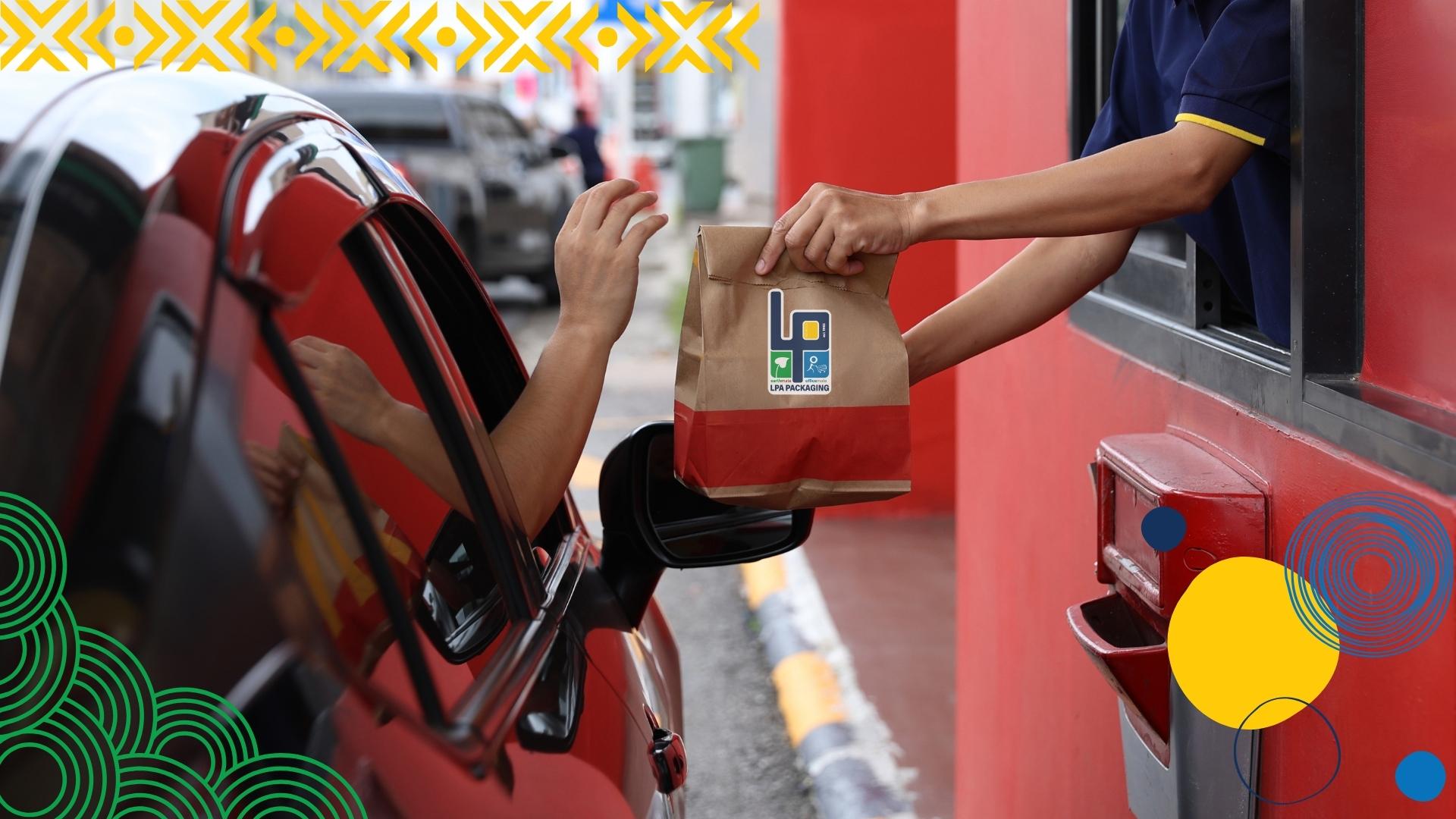
Walk into any South African shopping centre or highway service stop and the signs are everywhere, literally. Drive-through lanes are being retrofitted onto existing restaurant buildings. Delivery bags branded with third-party courier logos are stacked by the door. Digital menu boards flick between combo deals and QR code promotions. The humble quick-service restaurant (QSR) is going through its biggest transformation in decades, and operators who don’t adapt risk being left behind.
So what’s driving this shift, and what does it mean for the people who run these restaurants and the suppliers who equip them?
Convenience has become non-negotiable
South African consumers have changed their expectations dramatically. Fuel prices, urban congestion, longer working hours, and the lasting behavioural shifts from the Covid-19 pandemic have all contributed to a single bottom line: people want their food brought to them, or they want to collect it without leaving their car. Sit-down dining is no longer the default, and for a growing number of South Africans, it’s not even on the radar.
This is forcing the restaurant industry to rethink not just its menus, but its entire physical and operational model. New store formats are emerging that prioritise speed, throughput, and off-premise consumption. Drive-through capability has shifted from a nice-to-have to a near-mandatory consideration when new locations are being planned.
The big names are already making their move
Industry heavyweights are not sitting still. Famous Brands, the group behind Steers, Debonairs, Fishaways, Wimpy, and several other well-known names, has been strategically repositioning itself to meet consumers where they are. New location criteria now include drive-through suitability as a priority, and existing restaurants are being assessed for their potential to add collection bays and dedicated delivery staging areas.
This isn’t just about keeping up appearances. As Nedbank’s national franchise manager Amith Singh has pointed out, the restaurant and QSR sector has always operated on tight margins against a backdrop of rapidly shifting tastes and fierce competition. For franchisees and independent operators alike, the stakes have never been higher and the window to adapt is narrowing.
“The restaurant and QSR industry has always operated with tight margins, shifting consumer tastes, and intense competition.”
– Amith Singh, National Franchise Manager, Nedbank
The economics of delivery and drive-through are compelling, but they come with their own set of demands. Labour models need to flex. Kitchen layouts need to accommodate parallel preparation streams. And perhaps most critically, operators need to ensure that food leaving the restaurant arrives at a customer looking and tasting the same as it would across a counter.
Where packaging becomes a competitive advantage
This is where many restaurants underestimate what’s at stake. In the traditional dine-in model, packaging was almost an afterthought, just a box or a bag to carry leftovers home. In the delivery and takeout model, packaging is the product experience. It’s the first thing a customer physically interacts with. It determines whether a burger arrives intact or has sweated into its base. It keeps chips crisp instead of soggy. It signals to the customer whether the brand they’ve ordered from takes quality seriously.
Poor packaging choices cost restaurants far more than the price of a better box. A bad delivery experience leads to negative reviews, lower reorder rates, and ultimately lost revenue. When consumers are paying a delivery premium on top of the food price, their tolerance for a substandard unboxing moment is extremely low.
What the off-premise shift demands from packaging
- Heat retention that keeps food at the right temperature over longer transit times
- Structural integrity to prevent crushing and spillage during delivery
- Ventilation design that prevents steam build-up without losing warmth
- Tamper-evident features that build trust in a contactless handoff
- Branding real estate that turns every delivery into a marketing moment
- Sustainability credentials that align with growing consumer expectations
The sustainability factor: under pressure, but unmissable
South Africa’s packaging industry is also navigating an accelerating regulatory and consumer-driven push toward sustainable materials. Single-use plastics are increasingly scrutinised, and restaurant groups that have made environmental commitments need packaging partners who can deliver on those promises at scale without sacrificing functionality or cost efficiency.
The good news is that the industry has responded. Compostable containers, recycled-content materials, and fibre-based alternatives have improved dramatically in performance and affordability. For QSR operators, the challenge is finding a supplier who understands both the sustainability landscape and the operational realities of a busy kitchen.
Smaller footprints, bigger packaging demands
One interesting consequence of the new store format trend is that as physical restaurant footprints shrink (think dark kitchens, compact drive-through-only units, or ghost kitchen operations) the volume and diversity of packaging required per order often increases. A delivery order that would have been handed over in a single bag at the counter now needs to hold multiple meal components securely, often with separate packaging for sauces, sides, and drinks, all nested into a delivery bag that can survive a 10-kilometre motorbike ride.
This means operators are dealing with more SKUs of packaging than ever before, and procurement decisions that were once handled almost by default now require genuine strategic thought.
LPA Packaging: your partner in the off-premise era
At LPA Packaging, we work directly with restaurants, QSR operators, and food franchises across South Africa to supply packaging that performs under real-world conditions. Whether you’re scaling your delivery operation, opening drive-through-ready locations, or transitioning to more sustainable materials, our team understands the pressures your kitchen faces and the expectations your customers bring.
From burger boxes to delivery bags, from portion cups to tamper-evident seals, we stock and supply a comprehensive range built for the pace and demands of today’s food service environment. We’re not just a packaging supplier; we’re a supply chain partner for operators who take quality seriously.
The bottom line for restaurant operators
South Africa’s QSR industry is at an inflection point. The restaurants that will thrive over the next five years are the ones making deliberate decisions today, about their store formats, their channel mix, their digital presence, and yes, their packaging. Every element of the off-premise experience matters, and packaging is one of the few variables entirely within an operator’s control.
If your current packaging isn’t pulling its weight, if food isn’t arriving in the right condition, if your brand isn’t showing up on the doorstep the way you’d like it to, or if your sustainability commitments are getting ahead of your supplier’s capabilities, it’s worth having a conversation about what better packaging could do for your business.
The face of fast food in South Africa is changing. The question is whether your operation, and everything that represents it including the box it comes in, is ready.



0 Comments